

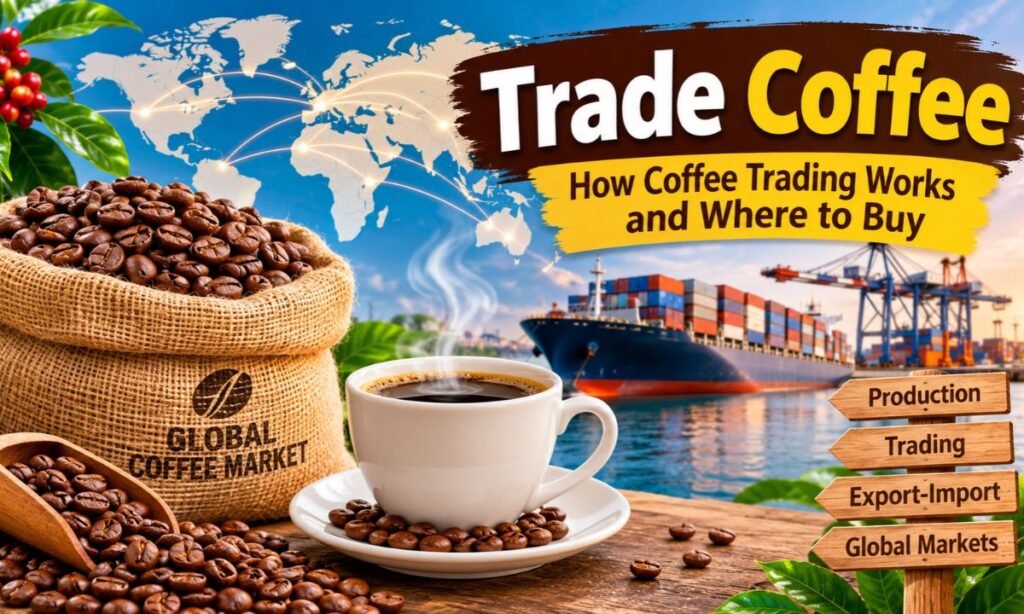
The world’s number one drink, coffee, is consumed by millions each day whether they make it themselves at home, order it at work, or purchase it from a restaurant or coffee shop. Every time you have a cup of coffee you are supporting a massive global network of individuals who produce, export, import, wholesale, roast, retail and consume coffee.
The term trade coffee may refer to the transaction of purchasing and selling coffee beans, international coffee commerce, wholesale coffee distribution and/or the business of transporting coffee from the producing country to the consuming market.
Coffee trading is a major component of the global agricultural sector. Many countries, including Brazil, Vietnam, Colombia, Ethiopia, and Honduras, are large producers of coffee and export it to various regions of the world.
Whether someone wants to gain an understanding of the coffee industry, buy large amounts of coffee beans, establish a business based upon coffee, or find out more information about global coffee markets, it would be beneficial for them to have an understanding of how coffee trading works.
This tutorial covers what trade coffee means, how coffee is produced and distributed throughout the world (the coffee supply chain), which countries produce the most coffee, the various ways that coffee can be traded, the factors that affect the price of coffee, and some of the potential for growth in the coffee industry.
What Is Trade Coffee?
The term “trade coffee” typically refers to the business operations of purchasing, selling, importing, exporting and distribution of coffee-related goods.
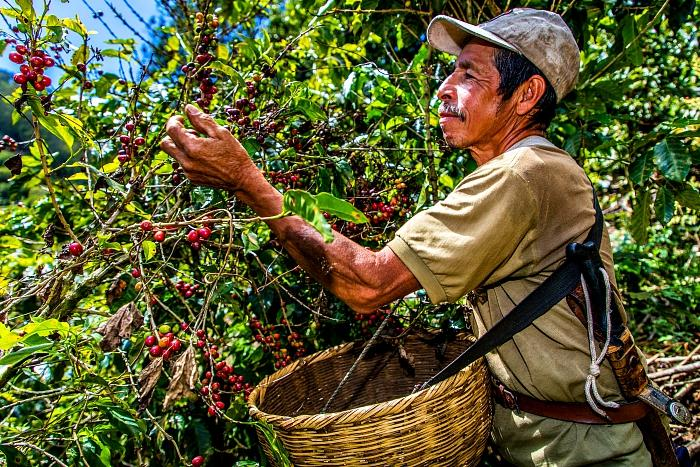
Coffee trading begins when farmers produce and harvest coffee cherries. Once they have produced and harvested the coffee cherries, they process the coffee cherries so that they can remove the coffee beans. After removing the coffee beans from the coffee cherries, the farmers will dry, sort, grade, package, and transport the coffee beans to customers.
The beans can then be purchased by global trading companies, coffee importing firms, roasting operations, wholesale distributors, or other business organizations.
Coffee can be traded in different forms, including:
- Green coffee beans
- Roasted coffee beans
- Ground coffee
- Specialty coffee
- Instant coffee
- Organic coffee
- Decaffeinated coffee
Because green coffee beans are usually exported prior to being roasted, they have a special place in global commerce. Companies that import green coffee beans will process those beans based upon what type of product they intend to make with them.
There are many other types of businesses involved in the trade of coffee besides large multi-national corporations. These include; independent roasters, local distributors, small coffee farms, and specialty coffee businesses.
How Does Coffee Trading Work?
There are different levels of value addition in the coffee trade. Every level adds some amount of value to the coffee before it is sold to the consumer.
When you understand how each stage works, it is easier to see how coffee moves from one country to another.
1. Coffee Cultivation
The first step is for farmers to grow coffee plants in appropriate climatic conditions (tropical/subtropical).
There is a specific temperature range, amount of rain fall, soil type, and elevation required for coffee plants to grow. Of the many different types of coffee plants that exist, only two (Arabica and Robusta) have commercial significance.
Arabica tends to produce a flavor profile that is more complex and smooth, whereas Robusta will produce a stronger flavor with more bitterness, and have a higher level of caffeine.
2. Harvesting and Processing
Coffee cherries are harvested when they reach the appropriate level of ripeness.
Once harvested, the outer fruit is removed from the bean by either the farmer(s) or the processing facility. There are three common types of coffee processing used today: washed, natural, and honey.
The bean drying is completed when the moisture content reaches an appropriate level for both storage and shipping.
3. Grading and Quality Inspection
Before coffee is sold, it may undergo quality inspections and grading.
Buyers will look at a number of aspects when purchasing coffee beans such as bean size, moisture level, amount of defective beans, aroma, flavor, and total quality.
Specialty Coffee Buyers can also assess the coffee via Professional Tasting (or Cupping).
Quality grading provides buyers with an idea of what they will receive, and also provides sellers with the opportunity to provide multiple types of products at varying price levels.
4. Exporting and Importing
When the coffee is ready to be sold, the exporter will take care of getting it transported to various international markets.
The green coffee beans are usually placed into appropriate bags and then loaded onto container ships for transport. Depending upon the country that will receive the beans, exporters must complete the necessary paperwork, comply with customs regulations, and follow all other required procedures.
Coffee importers receive the shipments and then sell or ship the coffee to coffee roasters, manufacturers, and other potential customers.
5. Roasting and Distribution
Roasters buy green coffee beans and roast them until they produce the taste profile that is wanted.
After roasting, the coffee may be packaged as whole beans or ground coffee.
The final product is sold by the distributor and retailer to a variety of sources such as supermarkets, cafes, restaurants, online shoppers, etc.
Major Types of Coffee Traded Around the World
Different varieties of coffee are developed for different segments of the market. The taste, quality, growing environment and cost to produce the product will affect how much the product is sold for.
Arabica Coffee
Arabica is one of the most widely traded coffee species.
Arabica grows best at higher altitudes, and has a wide variety of different flavors. Depending upon where the coffee is grown and how it was processed, Arabica may contain a combination of many different flavors including: fruit, flower, chocolate, nut, and citrus.
Specialty coffee businesses usually choose Arabica beans that are of a high quality due to the complex flavor profile.
Robusta Coffee
Robusta is another major coffee species traded internationally.
It’s typically more flavorful than Arabica, and has higher amounts of caffeine. Robusta plants can grow well in hot climates.
The majority of this coffee is utilized for producing instant coffee, blending it with other coffees to produce espresso blends, and as part of commercially available coffee products.
Specialty Coffee
Specialty coffee is defined by the unique qualities and features of the coffee.
The worth of this item depends upon many factors. These include its origin, how it was grown/farmed, the methods used to process it, if its history can be traced and the flavor/scent quality of the item.
Specialty coffee buyers will typically work with either the producer of the coffee or a specialized export company to buy specific types of coffee.
Organic Coffee
Organic coffee is produced under certified organic farming standards.
The production process may include limitations on the use of synthetic pesticide and fertilizer products based upon the requirements of a specific certification system.
Organic coffee is desirable to those customers that are looking for a certified agricultural product.
Green Coffee Beans
Green coffee beans are unroasted coffee beans.
Roasted beans are preferred by most roasters when buying internationally traded coffee, as they will roast them in accordance with their company’s roasting specifications.
Top Coffee-Producing Countries in the World
Coffee production is concentrated in countries located within the tropical coffee-growing regions.
These countries supply international markets with different varieties, grades, and flavor profiles.
1. Brazil
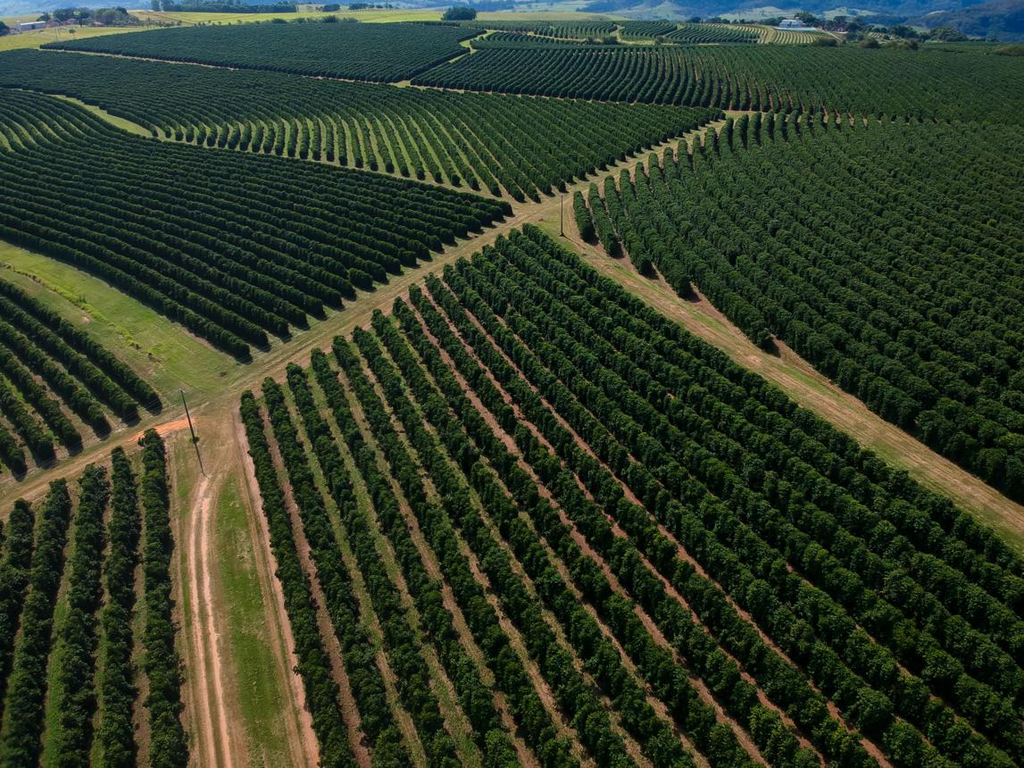
Brazil is the world’s largest coffee-producing country.
It produces both Arabica and Robusta coffee and supplies international buyers across North America, Europe, and Asia.
Brazilian coffee is widely used in commercial blends, espresso products, and specialty coffee markets.
2. Vietnam
Vietnam is a major producer and exporter of Robusta coffee.
Vietnamese coffee is particularly important for instant coffee manufacturers and companies producing strong coffee blends.
3. Colombia
Colombia is internationally recognized for its Arabica coffee.
Its coffee-growing regions produce beans with different flavor profiles, making Colombian coffee popular among specialty roasters and international buyers.
4. Ethiopia
Ethiopia is widely regarded as one of the historical origins of coffee.
Ethiopian coffee is especially valued in specialty markets for its distinctive floral, fruity, and complex flavors.
5. Honduras
Honduras is an important coffee-producing country in Central America.
It exports Arabica coffee to several international markets and supplies both commercial and specialty coffee buyers.
What Factors Affect Coffee Trading Prices?
Coffee prices change regularly because of variations in production, demand, transportation, currency exchange rates, and global market conditions.
Businesses involved in trade coffee need to monitor these factors to make informed purchasing and selling decisions.
Weather Conditions
Weather is one of the biggest influences on coffee production.
Droughts, excessive rainfall, frost, and unusually high temperatures can damage coffee plants and reduce crop yields.
When major producing countries experience poor weather, international coffee supply may decrease, potentially pushing prices higher.
Global Supply and Demand
Coffee prices are influenced by the balance between available supply and consumer demand.
If production increases while demand remains stable, prices may face downward pressure.
However, when supply becomes limited and demand remains strong, prices may increase.
Transportation and Shipping Costs
International coffee trading depends heavily on shipping and logistics.
Container availability, fuel prices, port delays, insurance costs, and transportation expenses can affect the final cost of imported coffee.
Businesses importing coffee must include these expenses when calculating their purchasing budgets.
Currency Exchange Rates
Coffee is commonly traded internationally in US dollars.
Changes in currency exchange rates can influence the purchasing costs of importers and the earnings of exporters.
For example, a weaker local currency can make imported coffee more expensive for businesses purchasing from overseas suppliers.
Political and Economic Conditions
Political instability, trade restrictions, export regulations, and economic uncertainty can affect coffee production and distribution.
These conditions may interrupt supply chains or increase the cost of doing business.
How Is Coffee Traded in the Commodity Market?
Coffee is also traded through international commodity markets.
The two major coffee futures markets are associated with Arabica and Robusta coffee.
- Arabica coffee futures are traded on the Intercontinental Exchange (ICE).
- Robusta coffee futures are traded on the Intercontinental Exchange’s European market.
The futures contract is used by market participants to purchase or sell coffee based on the price of the contract for delivery in a certain amount of time.
Commercial businesses use these contracts to manage price risk, and financial market participants use them to gain exposure to price changes of coffee.
For example, a business that roasts coffee could utilize futures contracts to lower its risk of not knowing what it will pay for the coffee it buys in the next few months.
However, futures trading has some financial risks associated with it. There is a possibility that the price of the commodity being traded will fluctuate very fast, and if the price moves in a direction opposite to your position then you could lose money.
Coffee Trading vs. Coffee Investing
Coffee trading and coffee investing are related but different activities.
Coffee trading generally involves buying and selling coffee products or financial contracts connected to coffee prices.
Coffee investing usually refers to taking a longer-term position in businesses or financial instruments connected to the coffee industry.
| Feature | Coffee Trading | Coffee Investing |
| Main purpose | Buying and selling | Long-term value or returns |
| Time period | Short or long term | Usually long term |
| Products | Coffee beans and futures | Stocks and related assets |
| Participants | Importers, exporters, traders | Investors and institutions |
| Main risks | Price and supply changes | Market and business risks |
People interested in the coffee industry should understand the difference before entering either market.
How to Start a Coffee Trading Business
Starting a coffee trading business can be an opportunity for entrepreneurs interested in agriculture, food distribution, and international commerce.
However, it requires proper planning, reliable suppliers, market knowledge, and an understanding of applicable regulations.
1. Choose Your Coffee Business Model
The first step is deciding what type of coffee business you want to operate.
Some possible business models include:
- Green coffee bean trading
- Wholesale roasted coffee distribution
- Coffee import and export
- Specialty coffee sourcing
- Online coffee retail
- Supplying coffee to restaurants and cafes
Each model has different investment requirements and operational challenges.
2. Find Reliable Coffee Suppliers
A successful coffee trading business depends on reliable suppliers.
You can contact coffee farmers, cooperatives, exporters, and established wholesalers.
Before purchasing, request samples and evaluate their quality.
It is also important to verify supplier information, production capacity, certifications, and delivery arrangements.
3. Research Your Target Market
Understanding your customers is essential.
For example, coffee shops may prefer specialty Arabica beans, while commercial manufacturers may require large quantities of Robusta.
Research local demand, competitor prices, customer preferences, and potential buyers before investing in inventory.
4. Understand Import and Export Regulations
International coffee trading involves documentation and regulatory requirements.
Depending on the countries involved, businesses may need export licenses, import registrations, customs documentation, certificates of origin, quality certificates, and food safety compliance.
Businesses operating in India should check the relevant requirements through the Directorate General of Foreign Trade and applicable food safety authorities.
5. Calculate Your Business Costs
Coffee trading involves more than the purchase price of beans.
You should consider:
- Coffee purchasing costs
- Packaging expenses
- Shipping and transportation
- Customs duties and taxes
- Storage and warehousing
- Insurance
- Marketing and distribution
A clear cost calculation helps businesses establish competitive selling prices while maintaining profitability.
6. Build Relationships With Buyers
Long-term business relationships are important in coffee trading.
You can approach cafes, hotels, restaurants, supermarkets, roasting companies, and wholesale distributors.
Providing consistent quality, transparent pricing, and dependable delivery can help establish a strong customer base.
Popular Platforms and Organizations in the Coffee Trade Industry
Several organizations and platforms support coffee producers, traders, exporters, and buyers.
Some useful industry resources include:
International Coffee Organization (ICO): An international organization that publishes coffee industry statistics, market information, and reports.
Intercontinental Exchange (ICE): Provides commodity futures markets, including Arabica and Robusta coffee contracts.
Specialty Coffee Association (SCA): Supports specialty coffee professionals through education, research, standards, and industry resources.
Coffee Board of India: Provides information and support related to India’s coffee industry, including production, marketing, and exports.
These resources can help businesses understand market conditions, industry standards, and international coffee trading practices.
Opportunities in the Global Coffee Trade Market
The coffee industry offers several business opportunities for entrepreneurs and established companies.
Growing consumer interest in different coffee varieties, brewing methods, and specialty products has created demand for a wide range of coffee-related businesses.
Specialty Coffee Business
Specialty coffee offers opportunities for businesses that focus on premium beans, unique origins, and quality roasting.
Companies can develop relationships with farmers and offer products with clear information about origin and processing.
Coffee Wholesale Distribution
Wholesale distribution involves purchasing coffee in larger quantities and supplying it to cafes, restaurants, offices, and retailers.
This model can generate repeat business when distributors provide consistent quality and competitive prices.
Online Coffee Retail
Online platforms allow businesses to sell roasted beans, ground coffee, coffee equipment, and related products directly to customers.
A well-designed online store can help businesses reach customers beyond their local markets.
Private Label Coffee
Private label coffee allows companies to sell coffee products under their own brand while working with external roasting or manufacturing partners.
This can be an attractive option for businesses that want to develop a coffee brand without establishing their own roasting facility.
Coffee Export Business
Businesses located in coffee-producing countries can explore export opportunities by connecting local producers with international buyers.
However, exporting requires knowledge of quality standards, documentation, logistics, and destination-market requirements.
Challenges in Coffee Trading
Although coffee trading offers commercial opportunities, it also involves several challenges.
Price volatility: Coffee prices can change significantly because of weather conditions, production forecasts, and international market movements.
Quality consistency: Maintaining consistent bean quality across different shipments can be difficult, especially when sourcing from multiple farms.
Supply chain disruptions: Shipping delays, port congestion, and transportation problems can affect delivery schedules.
Competition: Coffee traders compete with established exporters, importers, wholesalers, and international brands.
Storage requirements: Coffee beans need appropriate storage conditions to protect their quality and prevent moisture-related damage.
Businesses that understand these challenges can prepare better strategies for managing operational and financial risks.
Future of the Global Coffee Trade Industry
The international coffee trade continues to develop in response to consumers’ tastes, technological developments, and environmental changes.
Sustainability is being considered by many coffee producers and buyers. Businesses are focusing on how to grow responsibly, track their beans, manage water usage, and protect the environment.
Digital technologies are also changing how coffee is bought and sold. Online marketplaces, digital tracking of the supply chain, and online businesses are making it much easier for both buyers and sellers to find each other.
Another key development area has been the growth of specialty coffee. As consumers continue to expand their horizons with respect to origin, processing methods, roasting profiles, and brewing options; they have become more interested in exploring the world of specialty coffee.
In addition to being a significant issue for coffee growing areas, climate change is expected to have an impact on where coffee can grow well in the future. Temperature changes and changes to precipitation levels could affect how and where coffee can be produced.
Quality-focused businesses, with a focus on transparency, sustainable sourcing and reliable distribution are more likely to successfully adjust to shifts within the coffee industry.
Frequently Asked Questions About Trade Coffee
1. What does trade coffee mean?
Trade coffee refers to the commercial buying, selling, importing, exporting, and distribution of coffee products. It includes activities involving green beans, roasted coffee, ground coffee, and other coffee products.
2. Which country produces the most coffee?
Brazil is the world’s largest coffee-producing country. It produces both Arabica and Robusta coffee and supplies international markets.
3. What are the two main types of coffee traded globally?
Arabica and Robusta are the two major commercially traded coffee species. Arabica is known for its diverse flavor profiles, while Robusta generally has a stronger taste and higher caffeine content.
4. How are coffee prices determined?
Coffee prices depend on global supply and demand, weather conditions, production costs, transportation expenses, currency movements, and commodity market activity.
5. Can beginners start a coffee trading business?
Yes. Beginners can enter the coffee industry through wholesale distribution, online retail, specialty coffee sourcing, or green coffee trading. However, they should research suppliers, customers, costs, and regulations before starting.
Read Also: Decaf Coffee || Folgers Coffee || Iced Coffee || Irish Coffee || Luckin Coffee
Conclusion
The coffee trade is a major component of the world’s agricultural and food systems. Trade coffee links those who grow coffee with overseas buyers, coffee roasters, wholesale distributors, retail stores and the millions of individuals who consume coffee.
The global coffee business provides numerous options for entrepreneurs and other market players. Some examples include: green coffee beans, specialty coffee, and international commodities futures.
Knowledge of different coffee types, main producing countries, what influences the price of coffee, how coffee moves through the supply chain, and international trade laws that apply to coffee are all necessary if someone wants to work in the coffee industry.
The evolution of consumer tastes and international trade trends will ensure that quality, openness, sustainability and dependable supplier relationships are vital components for a successful coffee business.