

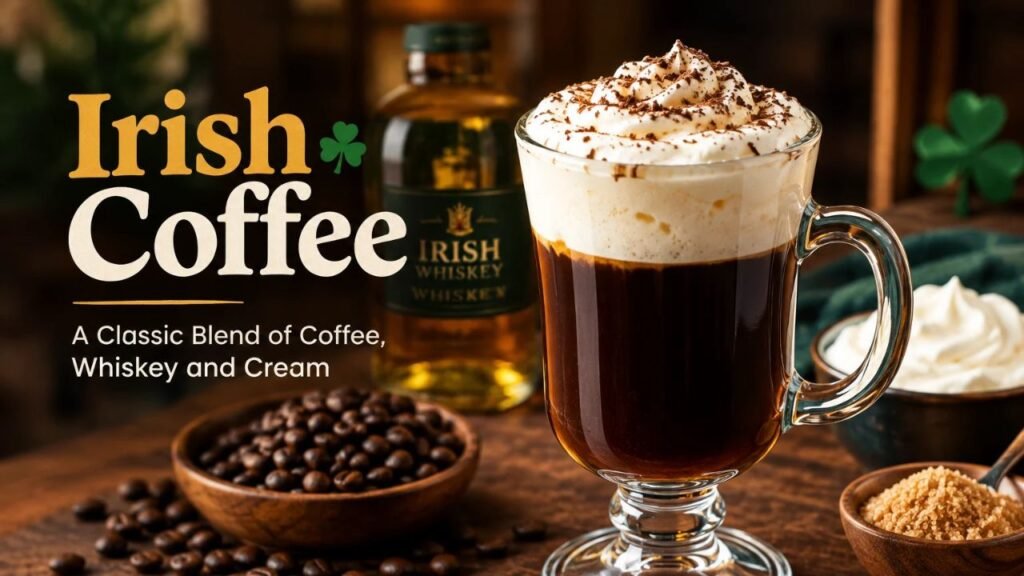
A classic coffee beverage consisting of hot coffee, Irish whiskey, sugar and layered with a topping of lightly whipped cream. Characterized by a strong aroma, smooth mouthfeel, and well-balanced flavor, this coffee drink features the unique combination of bitter notes from the coffee experience; warmth from whiskey; and sweet creaminess. It appeals to people who love the classics, like traditional coffee recipes with cocktail.
Whether you are new to experimenting with Irish Coffee or want to make it at home, knowing its ingredients, preparation process and historical backgrounds can taste more successful experience for you. It is an apparently simple recipe, but there are small details that can make the difference between a mediocre dessert and a heavenly cream: being made with freshly brewed coffee, knowing how to prepare the cream correctly.
This guide teaches you what Irish Coffee is, where it comes from, which ingredients you need, how to make it step by step and also how to adapt the recipe for your taste.
What Is Irish Coffee?
Irish Coffee is a classic hot drink of coffee, Irish whiskey, sugar and cream in one. It is different from ordinary black coffee as it combines multiple flavors in a single drink. It gives the coffee a rich, slightly bitter base the whiskey adds warmth and depth. The sugar counteracts the bitterness, and cream produces a nice creamy finish.
A hallmark of real Irish Coffee is the way it’s served. It is a hot coffee mixture, gently topped with a layer of cream. Traditionally, the drink is consumed through the cream without stirring it into the coffee.
Irish Coffee is traditionally served in a heat resistant glass or an uniquely designed Irish Coffee cup. It is the kind of drink that can be felt post-lunch or during a cold night. Since the classic version includes alcohol, there is also a non – alcoholic variant to be prepared for preference or prohibition.
History and Origin of Irish Coffee
Irish Coffee is linked to the traditions and hospitality of Ireland. The drink is widely credited to a chef named Joe Sheridan who made them at the Foynes flying boat terminal in Ireland dating back to the 1940s.
As the legend goes, Sheridan brewed up a warming coffee beverage for travelers whose journey had been derailed by chilly weather. When someone allegedly asked if the coffee was Brazilian, Sheridan replied: “Irish coffee.
The drink then was famous internationally, especially after travel writer Stanton Delaplane tasted it in Ireland and took it to the US. With places like the Buena Vista Cafe, which became the major player in and North American hotspot for Irish Coffee.
Revered as a classic coffee cocktail, Irish Coffee is now enjoyed the world over. While recipes differ slightly from bar to bar and household to household, all traditional make-ups contain a combination of coffee, Irish whiskey, sugar, and cream.
Irish Coffee Ingredients
Making Irish Coffee does not require many ingredients. However, choosing good-quality ingredients helps create a balanced and enjoyable drink.
1. Freshly Brewed Coffee
Irish Coffee is based around hot, freshly brewed coffee. This is the reason that a medium or medium-dark roasted coffee works so beautifully. It has a robust flavor that stands up to whiskey. Pick a coffee that has good flavor without too much bitterness.
2. Irish Whiskey
Irish whiskey gives the drink its signature warmth and complexity. Typically for classic recipes, you want a whiskey that is smooth and easy to drink. You can dose it to your own will, but in reasonable amounts since the drink itself is alcoholic.
3. Sugar
To balance the bitterness of the coffee, sugar is used and contributes to the traditional flavor. Brown sugar is sometimes used because it can add a subtle caramel flavor, and white sugar also works.
4. Heavy Cream
The crown of the cake is lightly whipped heavy cream. Krѐm shouled to be thick abut souft ǂto tipped. Do not whip to stiff peaks though, otherwise it becomes more difficult to get that gorgeous layered look.
5. Optional Garnishes
For the most part, Traditional Irish Coffee does not need fancy garnishes. A simple dust of cocoa powder or freshly grated chocolate can be a nice decorative touch, too. The additions are less obligatory and more discretionary.
How to Make Irish Coffee at Home
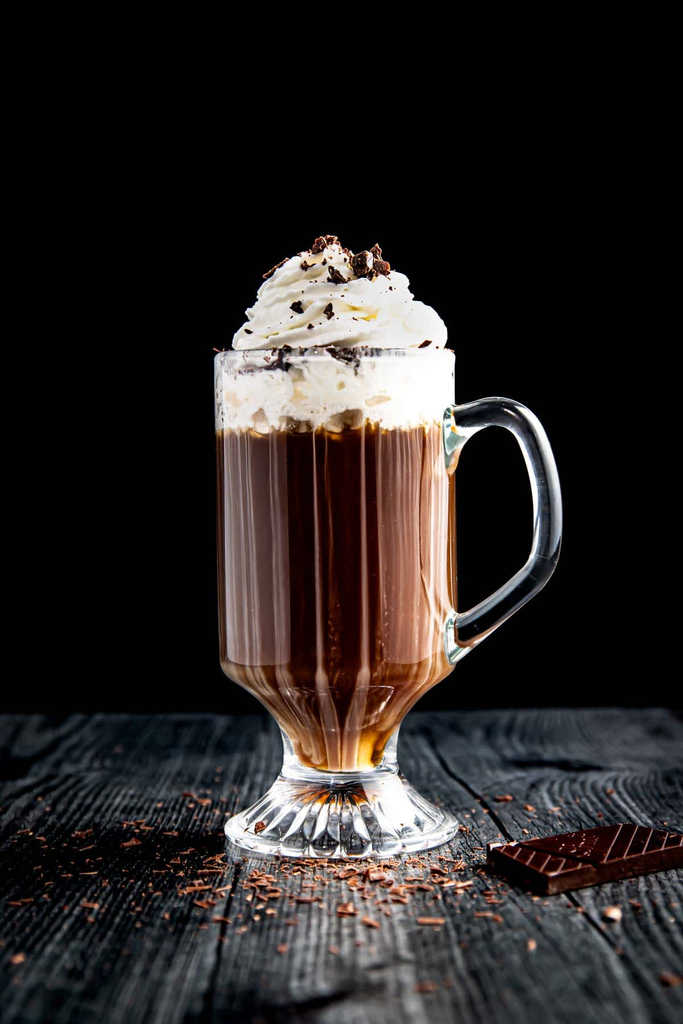
Preparing Irish Coffee at home is straightforward when you follow the correct proportions and layering technique.
Ingredients for One Serving
- 150–180 ml freshly brewed hot coffee
- 30–45 ml Irish whiskey
- 1–2 teaspoons brown or white sugar
- 30–45 ml heavy cream, lightly whipped
These quantities are a starting point. You can adjust the coffee strength and sweetness to suit your taste.
Step-by-Step Irish Coffee Recipe
Step 1: Warm the Glass
Fill a heat-resistant glass with hot water and let it stand briefly. Empty the water before preparing the drink. Warming the glass helps keep the coffee hot for longer.
Step 2: Add the Sugar
Place the sugar into the warmed glass. Brown sugar is a popular choice, although regular granulated sugar is suitable too.
Step 3: Pour in the Hot Coffee
Add the freshly brewed coffee and stir until the sugar dissolves completely. Make sure the coffee is hot enough to dissolve the sugar without becoming unpleasantly bitter.
Step 4: Add the Irish Whiskey
Pour in the Irish whiskey and stir gently to combine it with the sweetened coffee. Taste the mixture before adding anything else, keeping in mind that the final cream layer will soften the overall flavor.
Step 5: Prepare the Cream
Lightly whip the heavy cream until it becomes slightly thick but remains pourable. The texture should resemble soft, flowing cream rather than stiff whipped cream.
Step 6: Float the Cream on Top
Slowly pour the cream over the back of a spoon held just above the coffee’s surface. This technique helps the cream form a separate layer instead of mixing immediately with the coffee.
Step 7: Serve Immediately
Serve the Irish Coffee while the coffee underneath is still hot and the cream remains cool. Enjoy it through the cream layer without stirring, following the traditional serving style.
What Does Irish Coffee Taste Like?
Irish Coffee represents a unique flavour of sweetness, bitterness, warmth and creaminess. The exact flavor not only depends on the coffee roast and whiskey, but also on how much sugar is in it as well as its thickness of cream.
On the first sip, you approach the smooth, heavy cream, then heat of coffee with a soft sweetness and that tell-tale whiskey flavor. Part of the experience is that cool cream warmed by rich coffee.
Those who like their coffee strong might want less sugar and a dark roast. If you prefer a smoother drink then use a milder coffee and sweetened to your taste. However, putting in too much sugar will mask the taste of the coffee completely and pouring on a little too much whiskey can make it bitter.
The finest Irish Coffee is not overly sweet, bitter or boozy; it is perfectly balanced.
Tips for Making the Perfect Irish Coffee
A few simple techniques can improve the flavor and presentation of your drink.
Use Freshly Brewed Coffee
Coffee that has been sitting for a long time may develop stale or harsh flavors. Brewing a fresh cup provides a better aroma and a cleaner taste.
Choose the Right Cream Consistency
The cream should be lightly whipped. If it is too thin, it may sink into the coffee. If it is too thick, it may not pour smoothly over the surface.
Dissolve the Sugar Completely
Undissolved sugar can collect at the bottom of the glass and make the final sips overly sweet. Stirring the sugar into hot coffee before adding the cream helps prevent this problem.
Avoid Stirring After Adding Cream
Once the cream has been layered on top, avoid stirring the drink if you want the traditional presentation. The separate layers create the signature Irish Coffee experience.
Serve in a Suitable Glass
A heat-resistant glass with enough room for both the coffee and cream makes the drink easier to prepare and serve. Always use glassware designed to handle hot liquids.
Popular Irish Coffee Variations
Although the traditional recipe remains popular, several variations offer different flavors and textures.
Classic Irish Coffee
The classic version combines hot coffee, Irish whiskey, sugar, and lightly whipped cream. It is the best choice for anyone who wants to experience the traditional recipe.
Brown Sugar Irish Coffee
This variation uses brown sugar to introduce a subtle caramel-like flavor. It works particularly well with medium or dark roasted coffee.
Dairy-Free Irish Coffee
For a dairy-free version, use a plant-based cream designed for whipping or floating on hot beverages. Results vary by product, so choose one that holds its texture when poured over coffee.
Decaffeinated Irish Coffee
Decaffeinated coffee can replace regular coffee while preserving much of the drink’s familiar taste. This option may suit people who want to reduce their caffeine intake, although the whiskey still contains alcohol.
Non-Alcoholic Irish Coffee
A non-alcoholic variation can be prepared with hot coffee, sugar, and cream, using an alcohol-free whiskey-style alternative if desired. The flavor will differ from the traditional recipe, but it can still provide a warm, creamy coffee experience.
Irish Coffee vs. Regular Coffee
Irish Coffee and regular coffee differ mainly in their ingredients, flavor, and serving style.
| Feature | Irish Coffee | Regular Coffee |
| Main ingredients | Coffee, Irish whiskey, sugar, cream | Brewed coffee and optional additions |
| Flavor | Rich, sweet, creamy, and warming | Depends on the beans and brewing method |
| Alcohol | Usually contains alcohol | Usually alcohol-free |
| Texture | Creamy top layer with hot coffee underneath | Typically uniform liquid |
| Serving style | Often served in a heat-resistant glass | Served in a mug or cup |
| Preparation | Requires mixing and layering | Usually simpler |
Regular coffee is an everyday beverage for many people, while Irish Coffee is often treated as a special drink or classic cocktail.
When Is Irish Coffee Usually Served?
Irish Coffee can be consumed on different occasions, one depends on local traditions, and the other is a matter of what you prefer. It is generally consumed post dinner during social events or as a warming hot drink in cold climate.
A few cafés and restaurants even have it on a coffee or cocktail menu. It can also be served during celebrations where traditional drinks are highly regarded by the guests.
Since the traditional recipe includes both caffeine and alcohol, it may not be for everyone or every hour in the day. The decaf latte is ideal for those with caffeine sensitivity, and anyone avoiding alcohol should go with a non-alcoholic alternative.
Nutritional Information and Alcohol Considerations
Irish Coffee nutritional content is based on the alcohol, sugar, cream and coffee used. The calories are from sugar and cream in your coffee, and the whiskey adds alcohol with additional calories.
A traditional measure can contain a significant portion of alcohol, varying depending on the whiskey measure. Type and amount of coffee can also affect the caffeine content.
If you want a lighter version, decrease the sugar, use less cream or simply pick an appropriate low-calorie alternative. Such modifications could have an impact on the appearance and flavor profile.
Drink responsibly and only by adults of legal drinking age. It is unfit for anyone who need to abstain from alcohol and inappropriate when driving. A zero-alcohol version is preferable anytime drinking purpose is inappropriate.
Conclusion
The full-bodied Irish Coffee combines coffee, Irish whiskey, sugar and cream all into one delicious glass that has stood the test of time. With an interesting history, minimal recipe, and iconic layered look, it has become a globally recognised classic.
You don’t need to be a master mixologist or wield fancy bar equipment to brew Irish Coffee at home. Using hot coffee, fully dissolving the sugar, a good whiskey and float some lightly whipped cream on top and you have yourself a respectable take on this classic drink.
From classical recipes to innovative versions with dairy-free, decaffeinated or non-alcoholic alternatives, Irish Coffee allows plenty of room for experimentation. Begin with the classic ratios, tailor the sugar to preference, and sip slowly on this one-of-kind coffee concoction.
Read Also: Mexican Breakfast || Continental Breakfast
Frequently Asked Questions
1. What are the main ingredients in Irish Coffee?
The four traditional ingredients are hot brewed coffee, Irish whiskey, sugar, and lightly whipped cream. Brown sugar is often used, but white sugar is also suitable.
2. Why is it called Irish Coffee?
The drink is associated with Ireland and is widely credited to chef Joe Sheridan, who reportedly prepared it for travelers at the Foynes flying boat terminal during the 1940s.
3. Can I make Irish Coffee without alcohol?
Yes. You can combine hot coffee, sugar, and cream for a non-alcoholic alternative. An alcohol-free whiskey-style beverage can be added if desired.
4. Should Irish Coffee be stirred before drinking?
Stir the coffee, sugar, and whiskey together before adding the cream. Once the cream is on top, traditional Irish Coffee is generally enjoyed without stirring.
5. Which coffee is best for Irish Coffee?
Freshly brewed medium or medium-dark roasted coffee is a good choice. The ideal coffee should have enough flavor to complement the whiskey without becoming excessively bitter.





2 thoughts on “Irish Coffee: History, Ingredients, Recipe, and Tips for the Perfect Cup”